

Don’t Wait for the Warning: Prepare Your Pets NOW
As Australian residents, bushfire preparedness is a year-round responsibility and that includes our beloved pets. Waiting until an alert is issued is too late. A secure, rehearsed plan is the single most important action you can take to keep your furry, scaled or feathered family members safe.
Here is your comprehensive, vet-recommended checklist to ensure your pets are ready for the worst this fire season.
The Admin Check: Identification & Paperwork
The first step in any emergency is ensuring your pet can be identified and cared for, even if you are separated.
Microchips: Current and Checked
- Action: Call your vet or check the national microchip registry online to confirm all contact details are up-to-date. If your pet’s details are wrong, they cannot be returned to you.
- Tip: Ensure two or three emergency contacts are listed, including someone outside your immediate high-risk area.
Documentation Kit
Keep this kit in a waterproof folder, labelled clearly and stored with your evacuation kit.
- Recent photo of you with your pet (for proof of ownership).
- Current vaccination and relevant medical history documents (required by most emergency shelters and boarding facilities).
- Contact details for your vet clinic and two or three out-of-area boarding options.
The Pet Emergency Kit (Minimum 3 Days Supply)
This kit should be pre-packed, easily portable and accessible within moments.
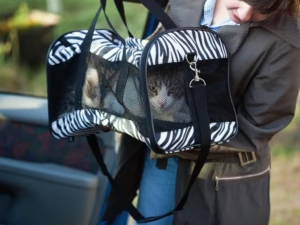
- Containment: Secure, labelled carriers, crates or strong woollen blankets (wool is less flammable) for small animals. Two strong leads and harnesses for dogs.
- Medical Essentials: At least a week’s supply of all prescription medications and any special food.
- Water & Food: Sufficient non-perishable food and bottled water for 3–5 days, plus collapsible bowls.
- Comfort & Hygiene: Poo bags/litter tray and litter, familiar toys and bedding to reduce stress.
- Vet-Recommended Extra: Include a heat-resistant ID tag on all collars with your phone number, even if your pet is microchipped.
The Evacuation Plan: Leave Early and Together
The safest option for your pet is leaving early—well before a fire threat escalates.
Secure Your Destination
- Pre-Arrange Safe Haven: Identify and pre-arrange accommodation (friends, family, or pet-friendly motels) outside the high-risk zones.
- Research Shelters: Not all evacuation centres accept pets (excluding assistance animals). Find out which local services or animal shelters are designated to take evacuated pets before an emergency.
Containment is Key on Evacuation Day
- Immediate Action: As soon as you decide to leave (or receive a watch-and-act warning), secure your small pets in their carriers. A frightened animal may bolt and hide when stressed by emergency activity.
- Travel Safety: Place carriers securely in the vehicle. In case of smoke, you may need to cover carriers with a damp woollen blanket to provide temporary protection.
The Livestock & Horse Dilemma
For large animals, evacuation is often impossible. The plan changes to containment and identification:
- Safe Zone: Select the largest, lowest-fuel paddock with a permanent water source.
- Remove Flammables: Remove all rugs, halters, feed bins and unnecessary items.
- Temporary ID: Use livestock marking crayons or non-toxic spray paint to mark your contact number directly onto the animal’s coat.
Post-Fire Care: Look Out for Smoke & Burns
Even if your pet has survived the immediate threat, they may need medical attention.
Signs of Smoke Inhalation
If your pet was exposed to smoke, watch for these symptoms:
- Coughing or gagging.
- Difficulty breathing, or rapid, shallow breaths.
- Red, watery eyes or nasal discharge.
- Lethargy or weakness.
Paw Pad Burns
Paw pads are susceptible to damage from embers or walking on hot ground. If you notice blistering, redness or peeling, do not apply oils or creams. Cool the affected area gently with cool running water and seek immediate veterinary attention.
If you suspect your pet has been injured or exposed to smoke, call us immediately—even if they look fine. We are here to help your whole family recover. (08) 8318 1801