
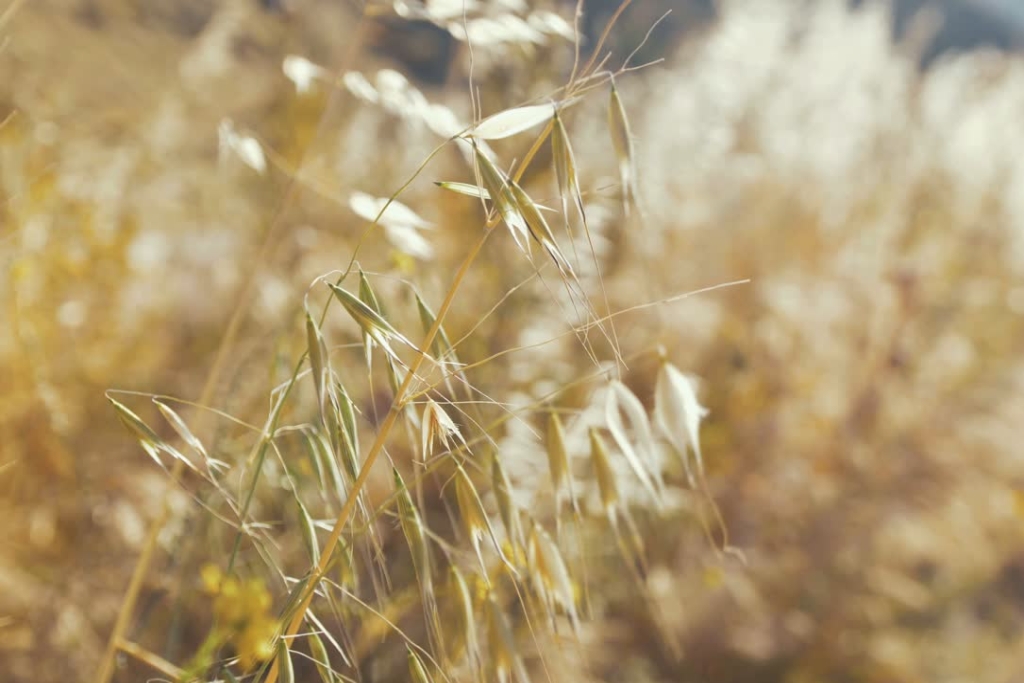
What are grass seeds — and why are they dangerous?
Grass seeds (awns) come from wild grasses like speargrass, barley grass and wild oats. Their barbed, pointed shape allows them to latch onto animals and travel — but on dogs, this design causes problems. Once a seed catches on fur, paws, ears or the coat, normal movement pushes it deeper in, and the barbs stop it from coming back out.
These tiny seeds can pierce skin, burrow into soft tissue and in severe cases migrate into internal organs.
Where grass seeds get stuck — and common problems
Grass seeds can embed almost anywhere on a dog’s body:
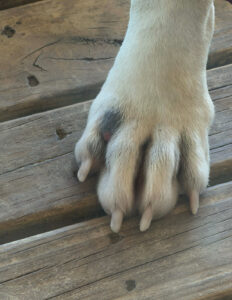
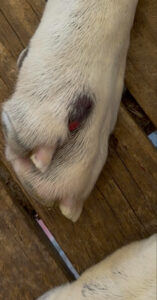
- Paws (in between the toes and pads): Pain, swelling, limping, infection or abscesses.
- Ears: Head shaking, irritation, infection or eardrum damage.
- Eyes: Redness, discharge, irritation or corneal injury.
- Nose / mouth / airways: Sneezing, discharge, bleeding; rare cases may affect lungs.
- Skin/body folds: Swelling, abscesses or painful lumps.
- Internal organs: If left, seeds can migrate deeply and cause serious internal damage.
How to recognise a grass-seed issue
Signs can be subtle, especially if the seed is under the skin. Watch for:
- Licking/chewing at paws or skin
- Limping
- Head shaking or ear scratching
- Eye redness, tearing or pawing at the face
- Sneezing or nasal discharge
- Small punctures, swelling, or “hot” painful lumps
- Behaviour changes: lethargy, pain or reduced appetite
Because seeds migrate, symptoms may not appear where the seed entered.
What to do and not to do
- Don’t dig or squeeze at the area — this can push the seed deeper or break it.
- See a vet promptly for swelling, limping, discharge, head shaking or persistent discomfort.
- After removal: Vets may use antibiotics, anti-inflammatories or imaging if a seed is hard to locate.
Prevention
- Avoid long, dry grass during peak seed season (late spring–summer).
- Groom regularly and keep fur around paws, belly and ears trimmed.
- Check your dog after every walk — between toes, coat, ears, eyes, armpits and underbelly.
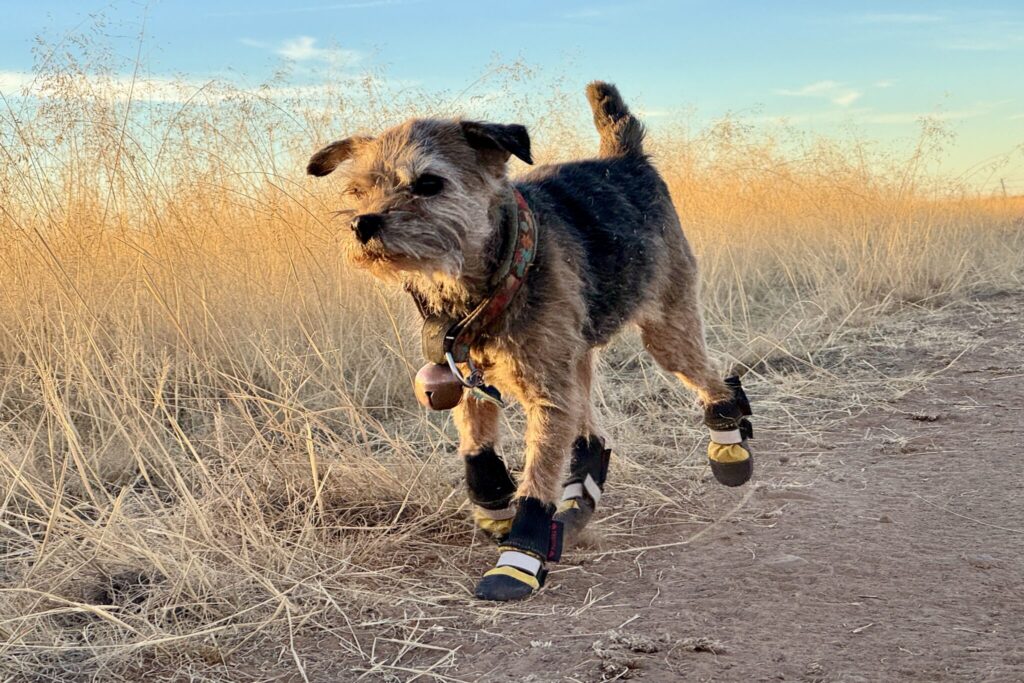
- Use protective gear (booties, snoods) in high-risk areas.
- Keep your yard mown and free of weedy grasses.

Why it matters
Grass seeds are tiny but can cause painful infections, abscesses, surgery, or internal complications. Long-haired dogs are higher risk, but any dog that runs through long grass can be affected. Symptoms vary (paw limping, sneezing, eye irritation), so early detection is essential.
If you suspect your pet has a grass seed, contact us on 08 8318 1801 as soon as possible so we can assist.