
Feline Lower Urinary Tract Disease (often shortened to FLUTD) is a term used to describe a group of conditions that affect a cat’s bladder and urethra. It is a common issue in cats and can range from mild discomfort to a life-threatening emergency, especially in male cats.
As cats are very good at hiding pain, urinary problems can sometimes go unnoticed until they become more serious. Knowing the signs to watch for can help you seek veterinary care early and keep your cat comfortable.
.
What are the signs of FLUTD?
Cats with lower urinary tract disease may show one or more of the following signs:
- Straining to urinate
- Passing only small amounts of urine
- Going in and out of the litter tray frequently
- Crying or vocalising when trying to urinate
- Blood in the urine
- Urinating outside the litter tray
- Excessive licking around the back end
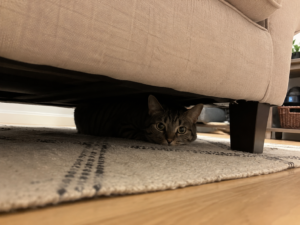
- Restlessness, hiding or seeming uncomfortable
- Reduced appetite or changes in behaviour
It is important to remember that straining in the litter tray is not always constipation. In some cases, it can mean your cat is struggling to urinate.
.
When is it an emergency?
A cat that cannot pass urine is an emergency. This is most commonly seen in male cats, as their urethra is narrower and can become blocked more easily. A urinary blockage can quickly become life-threatening if not treated. Please contact us immediately if your cat is:
- Straining but not producing urine
- Crying in the litter tray
- Vomiting
- Lethargic or weak
- Hiding and not eating
- Painful or distressed
Do not wait to see if it improves on its own, a blocked cat needs urgent veterinary treatment.
.
What causes FLUTD?
There are several possible causes of lower urinary tract disease in cats. These can include:
Stress-related bladder inflammation
Many cats with FLUTD have a condition called feline idiopathic cystitis, where the bladder becomes inflamed without an obvious infection or stone being present. Stress, changes in routine, multi-cat households, boredom and environmental factors can all play a role.
Bladder crystals or stones
Some cats develop crystals or stones in their urine, which can irritate the bladder and sometimes contribute to blockages.
Urinary tract infections
Urinary tract infections are less common in young healthy cats but they can occur, particularly in older cats or cats with other health conditions.
Urethral blockage
This occurs when the urethra becomes blocked by crystals, mucus, inflammatory material or small stones. This prevents the cat from being able to pass urine and is a medical emergency.
.
How is FLUTD diagnosed?
If your cat is showing urinary signs, our vets will examine them and may recommend further testing. This may include:
- A urine test
- Blood testing
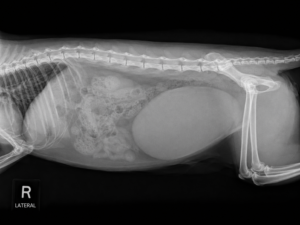
- Imaging such as X-rays or ultrasound
- Checking for crystals, infection or underlying health concerns
The right treatment depends on the cause, so testing is an important part of helping your cat properly.
.
How is FLUTD treated?
Treatment will depend on your cat’s symptoms and whether they are able to pass urine. Treatment may include:
- Pain relief
- Anti-inflammatory medication
- Fluids
- Urinary diet recommendations
- Stress reduction strategies
- Antibiotics if an infection is confirmed
- Hospitalisation and catheterisation if the bladder is blocked
Cats that are blocked often need urgent treatment, monitoring and supportive care in hospital.
.
How can I help prevent urinary problems?
You can support your cat’s urinary health by:
- Encouraging water intake
- Feeding an appropriate diet if recommended by your vet
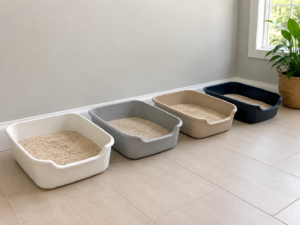
- Providing multiple clean litter trays
- Keeping litter trays in quiet, safe areas
- Reducing stress in the home
- Providing enrichment, play and climbing spaces
- Keeping your cat at a healthy weight
- Having regular veterinary check-ups
For multi-cat households, a good rule is one litter tray per cat, plus one extra.
.
When should I book a vet visit?
Please book an appointment if your cat is showing any of the above symptoms, this is an emergency and they need veterinary attention straight away. At Cameron Veterinary Services, we are here to help diagnose the cause of your cat’s urinary signs and create a treatment plan to keep them as comfortable and healthy as possible. If you are concerned about your cat’s toileting habits or urinary health, please contact our team to book an appointment.